How to Maintain & Extend the Lifespan of Industrial Shelving


How to Maintain & Extend the Lifespan of Industrial Shelving
Industrial shelving is essential in warehouses, factories, and other heavy-duty workspaces, offering durable and reliable storage for materials, tools, and products. Although built for longevity, proper maintenance can greatly extend the lifespan of industrial shelving units. Here are some practical steps to ensure your shelving remains in excellent condition, enabling it to serve your business for many years.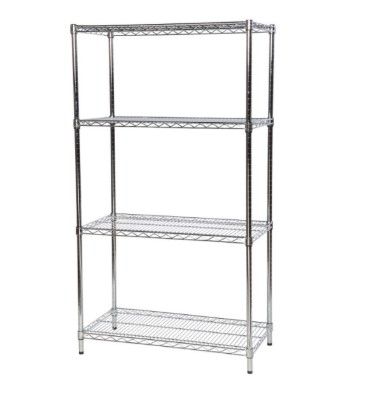
1. Choose the Right Type of Shelving for Your Needs
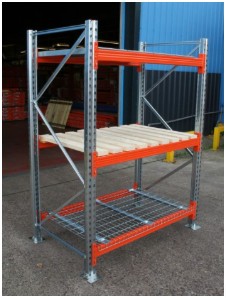
To maximise the lifespan of your shelving, start with selecting the right type for your storage needs. Different types of shelving are designed for specific applications, and the materials used influence their durability. For instance, industrial metal shelving is ideal for heavy loads and environments where resilience is essential, as it's typically constructed from high-grade steel or aluminium. By choosing shelves that can handle the required weight, you reduce the likelihood of damage and excessive wear.
2. Regularly Inspect Your Shelving
Frequent inspections are key to maintaining industrial shelving units. Check for any signs of wear, such as loose bolts, bent frames, or rust. Even minor damage, if left unchecked, can worsen over time and compromise the unit’s stability. By catching these early warning signs, you can carry out repairs or replacements before they become serious issues. Pay special attention to the points where the unit is joined, as these areas are more prone to wear and stress.
3. Clean the Shelving Units Properly
Keeping your industrial shelving clean not only improves its appearance but also prevents dust and debris build-up, which can contribute to deterioration. Use a damp cloth or mild cleaning solution to remove dust, grease, and other substances that accumulate over time. In particularly industrial environments, certain materials might require more intensive cleaning. However, avoid harsh chemicals, as they can damage the metal finish and lead to premature corrosion.
4. Prevent Rust and Corrosion on Metal Shelving
For industrial metal shelving, rust prevention is crucial. Moisture can quickly corrode metal if it’s not protected, which is why many shelving units come with a protective coating. Over time, this coating can wear down, especially in humid environments. Regularly check the coating and apply rust-preventive spray if needed. If rust does start to appear, sand it down gently and apply a rust inhibitor to prevent further spread.
5. Avoid Overloading Shelving Units
Every industrial shelving unit has a weight limit, which is usually specified by the manufacturer. It’s crucial to adhere to these guidelines, as overloading can lead to structural damage and increase the risk of collapse. Distribute heavy items evenly across the shelf to prevent strain on any one section. For shelving units that carry a variety of items, place the heaviest items on the lower shelves to maintain stability and prevent tipping.
6. Use Protective Accessories and Reinforcements
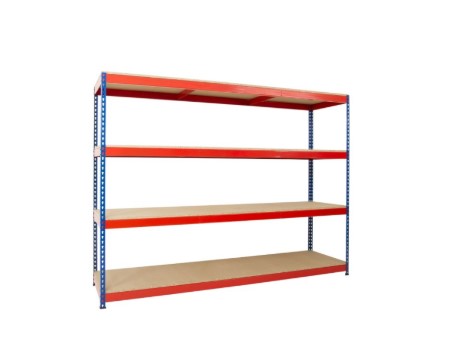
Brackets, anchors, and shelf liners can all help protect and reinforce your industrial shelving units. Brackets provide additional support, especially for taller shelving units, while anchors secure the shelving to walls or floors, preventing tipping. Shelf liners, which are often made from rubber or plastic, can protect shelves from scratches, dents, and other forms of damage. These accessories are small investments that can significantly improve the durability of your shelving.
7. Know How Industrial Shelving Units Are Made
Understanding how industrial shelving units are made can give you insights into their durability and maintenance needs. Most industrial shelving is made from robust materials like steel, which are coated to resist rust and wear. Some units are bolted or riveted together, while others are welded. Knowing the structure of your shelving can help you identify potential weak points and take precautions to protect these areas. For example, welded units may require less tightening over time, but they may need regular inspection to check for cracks in the welds.
8. Train Staff in Proper Usage and Handling
Improper use of shelving units is one of the leading causes of damage. Staff should be trained in the correct loading techniques, such as distributing weight evenly, storing the heaviest items on lower shelves, and avoiding stacking items too high. Additionally, remind employees not to climb on shelving units or use them as makeshift ladders, as this can cause bending or even collapse. Clear guidelines can go a long way in preserving the structural integrity of your shelving.
9. Rotate Stock to Reduce Wear
For businesses that regularly add and remove items from their shelves, consider rotating stock to prevent wear on specific shelves. By moving items around periodically, you distribute the load and reduce the strain on any single shelf. This simple practice can help prevent certain shelves from wearing out faster than others, maintaining the unit’s balance and durability over time.
10. Invest in Routine Maintenance
Finally, investing in routine maintenance can save money in the long run. This could include hiring a professional to conduct yearly inspections, tighten bolts, reapply rust-prevention spray, and replace any damaged components. Regular maintenance may seem like an extra expense, but it prolongs the life of your industrial shelving and keeps it safe for daily use.
Conclusion
Maintaining industrial shelving is essential for any business that relies on robust storage solutions. By following these steps, you’ll not only extend the lifespan of your shelving but also create a safer, more organised workspace. Whether you’re using heavy-duty metal or adjustable units, proper care and attention will ensure that your shelving remains a valuable asset to your business for years to come.
About the Author